Eyes in the Sky
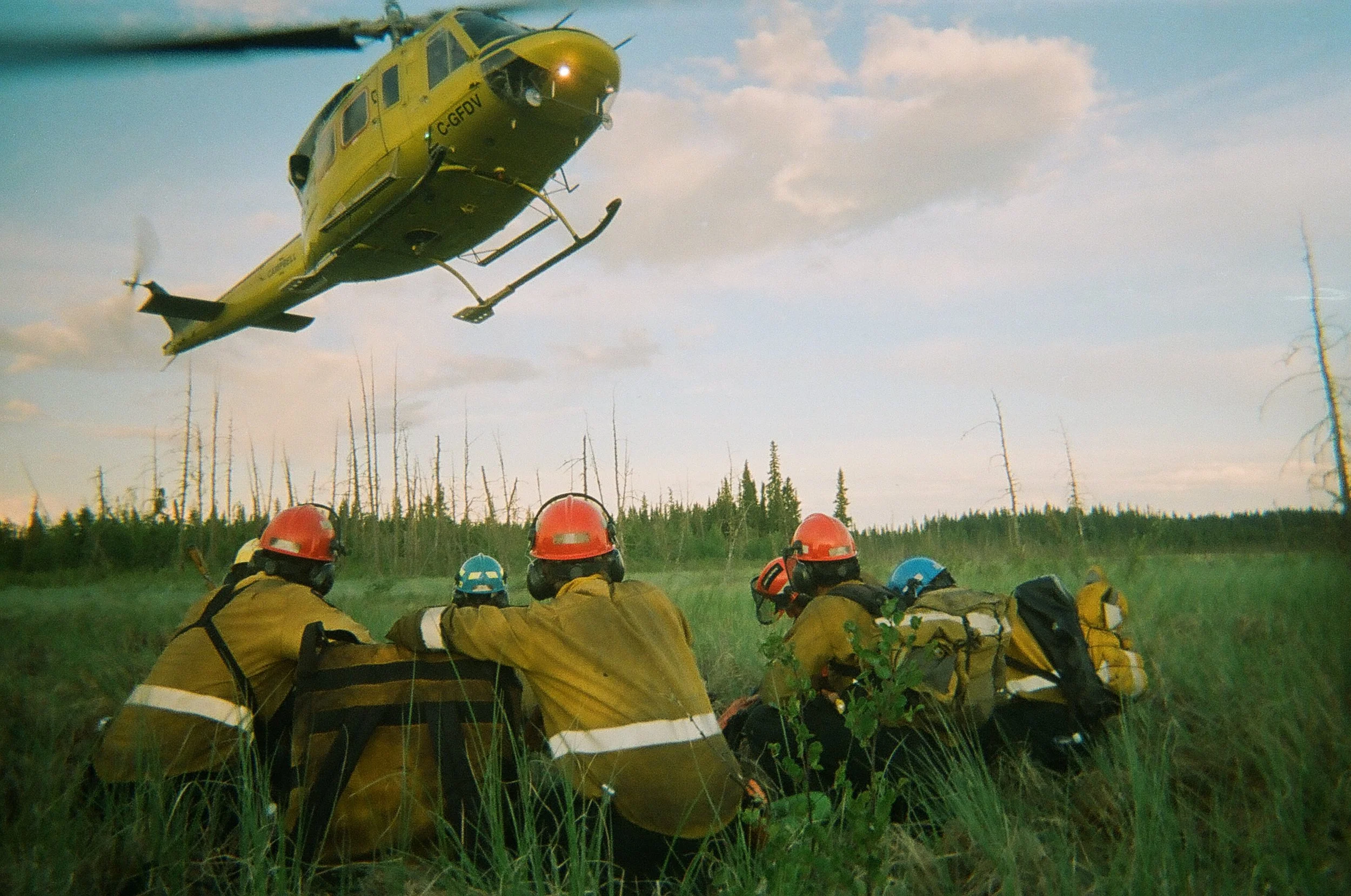
As the 2026 wildfire season begins, I want to acknowledge the unsung heroes of the fire world, our wildfire pilots.
For the thousands of firefighters who have battled the flames, we know firsthand how invaluable our pilot brothers and sisters are on the front lines. Without these remarkable people, countless wildfires would burn unchecked. Especially in the north, where remote starts are inaccessible by road or boot, fires would rage freely without the water and manpower delivered from the sky.
Throughout my career, particularly in my Helitack, Unit, and Man-Up Supervisor roles, I spent thousands of hours flying above the landscape in those magical whirlybirds we call helicopters. From the antique JetRangers to my personal favourite, the Bell 212 Twin Huey, I developed both an appreciation and a fascination for the people who dedicate their lives to something that would have seemed impossible only123 years ago, before the Wright brothers took to the skies.
Each pilot carries their own story, but they all share an intangible calling deep in their souls that pulls them into the heavens. Sometimes that calling blends with a need to help others, mixed with adrenaline, and that recipe creates a wildfire pilot.
I am in awe of the skill it takes to maneuver a 10,000-pound metal machine that seems to defy physics while shuttling crews to wildfires. The countless hours spent training alongside pilots allowed me to trust them completely, even as they hovered massive machines mere inches above my head while I attached a heli-bucket during operations. That trust only deepened when I became a hover exit instructor, relying on their steady hands and feet to hold the aircraft perfectly still as nervous rookies did their best to jump from the skids without rocking the ship. Hot loading and unloading on tight landing pads, knowing that one wrong move with rotors spinning hundreds of revolutions per minute could be catastrophic, demanded absolute confidence in their skill.
Like firefighters, pilots sacrifice time away from loved ones as part of the job, yet I never once heard them complain. During my time as an Incident Commander, I always did my best to get my pilots a daily snowman.
Every helicopter is supported by a vital engineer, often working through the night, maintaining the metallic beast so it remains airworthy for the days ahead. Their dedication is just as essential to every successful mission.
I will never forget the time two pilots saved me from certain disaster when I was circled by a shitty old black bear with nothing to lose, with only me and the Shovel of a Thousand Truths standing between it and its next meal. Alone in the Chinchaga area, I called dispatch and asked for a helicopter. When they asked what type I needed, my answer was, “the fucking closest one.” Two helicopters arrived within minutes, chasing the bear into the treeline.
On several occasions, pilots pushed the limits of visual flight rules to rescue my crew and me from having to overnight in the wilderness during storms. Other times, they crushed fires before we even arrived, then gave us all the credit.
Turnover, a crisis that plagues wildland firefighting, rarely touches the pilots’ world. By the end of my career, I had fought more fires with some pilots than with most firefighters I worked alongside. A few of them stood above the rest, these aerial assassins who matched my rhythm could coordinate ground and air resources seamlessly, always leading to a win.
Shane Davis, Tara Foss, Darvin “The Gentle Giant,” Dustin Clevette, Dave Nairn, and Kent Kelemen, you are among the very best of your peers.
With the next worst wildfire season always around the corner, take care of yourselves, take care of each other, and as always, take care of the crews.
Thank you for the good times, the saves, for being my eyes in the sky, and for being my friends.
Harold R. Larson